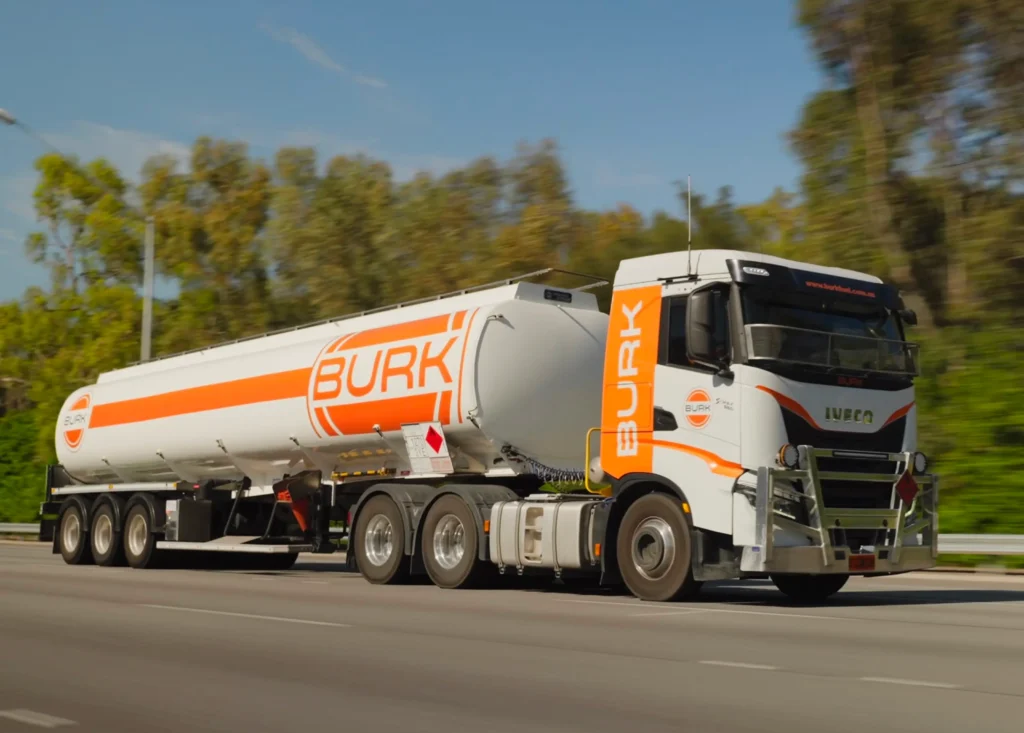
In transport, fuel is not just another expense line. It is the engine behind revenue.
Every delivery run, linehaul route and metro distribution shift depends on a predictable fuel supply. Poor planning leads to rushed refuelling, price exposure and operational disruption. Good planning builds stability, cost control and confidence.
For fleet operators across Perth, regional Western Australia and interstate freight corridors, fuel planning should be as structured as load scheduling and compliance management.
Here is how to build a proper fuel planning framework for fleets and transport businesses.
Start With Accurate Consumption Baselines
Fuel planning starts with knowing your numbers. You need a clear picture of how many litres each vehicle consumes on average, what your total fleet is burning per day and per week, and how usage shifts between metro runs, long haul routes and seasonal peaks.
It also helps to separate data across prime movers, rigid trucks, light commercial vehicles, refrigerated units and auxiliary equipment, because consumption patterns can vary significantly between them. Without solid baselines, planning turns into guesswork. When you understand your real figures, forecasting becomes far more accurate and confident.
- Segment by Asset Class: Separate prime movers, rigid trucks, light commercial vehicles, and refrigerated units.
- Define Seasonal Multipliers: Factor in predictable spikes such as harvest runs or pre-holiday freight surges.
- Audit Working Capital: Align bulk delivery invoice terms with customer freight receivable cycles.
Calculate Daily and Weekly Fuel Demand
Start by calculating your average daily fuel consumption using recent data. Add up the total litres used over a representative period, such as 14 or 30 days, and divide by the number of operating days to get your daily baseline.
Then multiply that figure by seven, or by your actual operating days per week, to estimate weekly demand. If you know certain periods run higher, such as harvest season or pre-Christmas freight, apply a reasonable percentage increase to reflect peak activity.
This gives you a practical framework for scheduling deliveries, setting reorder levels and ensuring depot storage keeps pace with demand.
Align Depot Storage With Usage
One of the most common fuel planning mistakes is mismatching tank capacity with actual consumption. When storage is not aligned with demand, operational friction builds quickly.
If depot storage is too small, deliveries become more frequent, emergency callouts increase and the effective per litre delivery cost rises due to inefficient scheduling. Instead of running on a structured cycle, the business ends up reacting to low tank alerts.
On the other hand, oversizing storage without a clear plan creates a different set of problems. Excess working capital becomes tied up in fuel inventory, and product can sit unused for extended periods, particularly in lower turnover operations.
Tank capacity should be aligned with a few core variables:
- Average weekly consumption
- Supplier delivery lead time
- Required safety buffer
| The Fleet Reorder Formula: Reorder Point (Litres) = (Average Daily Fleet Burn x Supplier Lead Time in Days) + Safety Buffer Stock For regional WA transport hubs where lead times can vary, maintain a minimum working buffer of 20% to 30% above your baseline to absorb freight surges and weather delays. |
When these elements are calculated properly, storage becomes a stabilising asset rather than a source of stress. The right alignment improves delivery efficiency, protects cash flow and reduces operational uncertainty.
Establish Clear Reorder Points
Running low on depot fuel can bring operations to a halt. Delivery lead time must reflect realistic scheduling windows, especially in regional Western Australia, where distance affects availability. A defined reorder level removes uncertainty. Drivers should never wonder whether there will be fuel available at shift start.
Reduce Exposure to Retail Price Cycles
Many fleets still rely heavily on servo refuelling. Retail fuel in Australian capital cities operates in cycles. Prices can jump significantly within days. Bulk depot refuelling reduces exposure to those swings.
Planning deliveries around wholesale benchmarks rather than retail cycles improves cost stability. For fleets consuming large volumes, even a small per litre difference compounds quickly across months. Fuel planning should prioritise structured pricing models over reactive retail purchases.
Integrate Fuel Planning With Route Optimisation
Fuel planning is not just about securing supply. It must also reflect how efficiently fuel is being consumed on the road. Route optimisation tools that reduce empty kilometres, congestion delays and unnecessary detours directly influence total fuel demand. When dispatch improves route efficiency, projected weekly fuel consumption should be updated accordingly. That is why planning and operations need to stay closely aligned.
Fuel strategy should never operate in isolation from route and dispatch decisions, because changes in one area immediately affect the other.
Monitor Idle Time Across the Fleet
Idle time increases fuel demand without generating revenue.
Telematics data allows fleet managers to track:
- Engine idle hours
- Idle percentage per vehicle
- Depot waiting times
- Loading delays
If idle time is reduced, total fuel demand decreases. This influences reorder planning and storage needs. Small operational improvements reduce overall fuel procurement requirements.
Use Data to Identify Underperforming Vehicles
Not all vehicles in a fleet consume fuel at the same rate, even when operating on similar routes. Without data, those differences go unnoticed. With the right tracking, they become actionable.
By calculating fuel cost per kilometre and comparing performance across vehicles, fleet managers can quickly identify units that are consuming more than expected. The issue is rarely random. It usually points to an underlying operational gap.
Common causes include:
- Maintenance issues such as clogged filters, injector inefficiencies or overdue servicing
- Tyre problems, including underinflation or poor alignment
- Driver behaviour patterns such as harsh acceleration, excessive idling or inconsistent speed control
- Load management inefficiencies, where vehicles are carrying suboptimal or uneven loads
Addressing these gaps improves more than just fuel efficiency. It extends vehicle lifespan, reduces breakdown risk and strengthens overall cost control.
Fuel planning becomes significantly more accurate when underperforming assets are corrected rather than subsidised by higher fuel budgets.
Prepare for Demand Surges
Unexpected demand spikes can place immediate pressure on fuel supply, particularly for transport and logistics operators working on tight schedules. Growth is positive, but unmanaged growth can disrupt supply continuity.
Common triggers for sudden fuel increases include:
- A major contract win that adds vehicles or extends operating hours
- Temporary subcontracting arrangements that expand fleet activity
- Increased seasonal freight during peak agricultural, retail or export periods
Fuel planning should account for contingency capacity, not just average consumption. Maintaining a buffer above minimum reorder levels during high activity periods reduces the risk of emergency deliveries and costly downtime.
Clear, early communication with your fuel supplier is critical. Advance notice of increased demand allows delivery routes to be adjusted, volumes to be secured and scheduling to remain stable. When suppliers are informed ahead of time, demand surges become manageable rather than disruptive.
Protect Cash Flow Through Structured Purchasing
Bulk fuel purchasing improves pricing efficiency, but it also concentrates spend into larger, less frequent invoices. Without proper planning, that shift can place unnecessary pressure on working capital.
Cash flow forecasting should account for delivery frequency, negotiated credit terms and seasonal volume spikes. For example, harvest periods, construction peaks or freight surges can temporarily increase fuel demand and invoice size. If those spikes are not anticipated, they can strain liquidity.
Where possible, align fuel payment cycles with customer billing cycles. When receivables and fuel payables move in sync, financial pressure eases and margin visibility improves.
Structured purchasing turns fuel from a reactive expense into a planned outlay. Predictable ordering, disciplined forecasting and aligned payment terms reduce financial stress and strengthen operational stability. Fuel planning is not only operational discipline. It is a financial strategy.
Build Strong Supplier Relationships
Fuel planning becomes far more effective when your supplier genuinely understands how your operation runs. The more visibility they have into your forward plans, the better they can support you.
Sharing projected growth plans, seasonal demand fluctuations, new depot openings or fleet expansion timelines allows your supplier to anticipate changes rather than react to them. This is particularly important for transport businesses operating across Western Australia, where route efficiency and scheduling precision directly affect cost.
A proactive supplier can use that information to structure smarter delivery schedules, recommend storage capacity adjustments and align supply volumes with your evolving fuel profile. Instead of scrambling during peak periods, you move into them prepared.
Fuel supply should feel stable and predictable, not reactive or uncertain. A strong, transparent partnership creates that stability and turns fuel planning into a coordinated operational advantage rather than a standalone transaction.
Conclusion
Fuel is often written off as an unavoidable expense. For transport businesses, it should be managed as a strategic asset.
Structured fuel planning reduces downtime, stabilises pricing, sharpens budgeting accuracy and lowers the risk of costly emergency deliveries. It builds operational confidence across fleets working in Perth, regional Western Australia and beyond.
When demand is forecast properly, storage is aligned and reorder levels are clear, uncertainty turns into control.
Fuel planning is not complex. It requires discipline, accurate data and clear communication. For transport businesses focused on protecting margins, it is not optional. It is essential.
Stop Guessing Your Fleet Fuel Requirements. Build a Predictable Supply Strategy.
Burk Fuel delivers transparent pricing, reliable lead times, and end-to-end supply continuity, from on-site bulk diesel tanks to scheduled top-ups across Perth and regional Western Australia.