Supplying fuel in metro areas is straightforward. Supplying fuel to a remote cattle station in the Kimberley or a mining site in the Pilbara is a completely different challenge.
In regional and remote Australia, bulk fuel delivery is not just transport. It involves planning, risk management and coordination across long distances, extreme weather and limited infrastructure.
Here is how bulk fuel logistics actually works in remote Australian conditions.
Understanding the Scale of Distance
Australia is vast.
Remote fuel deliveries often involve hundreds, sometimes thousands, of kilometres between terminals and end sites. A tanker leaving Perth for the Goldfields or the Pilbara may be on the road for an entire day or more.
Distance affects:
- Scheduling
- Driver fatigue management
- Fuel transport costs
- Contingency planning
Every delivery must account for refuelling stops, rest breaks and road conditions. Logistics planning begins well before the tanker leaves the depot.
Step 1: Sourcing Fuel From Major Terminals
Bulk fuel for remote areas is typically sourced from major storage terminals in capital cities or regional hubs such as Perth, Geraldton, Kalgoorlie or Port Hedland.
Fuel is stored in large certified tanks and tested to meet Australian fuel quality standards before dispatch.
From there, suppliers allocate stock specifically for remote runs. Because travel times are long, accurate forecasting is essential. If a remote mine runs low on diesel, the consequences can be costly.
There is little room for error.
Step 2: Route Planning Across Regional and Outback Roads
Route planning is one of the most critical parts of remote fuel logistics.
Unlike metro deliveries, remote routes may include:
- Unsealed roads
- Flood-prone crossings
- Livestock zones
- Road train only sections
- Limited mobile reception
Suppliers must assess road accessibility, bridge ratings, and Restricted Access Vehicle (RAV) network permits before dispatch. In northern Western Australia, wet season conditions can temporarily close key corridors, requiring alternative routing or delayed scheduling.
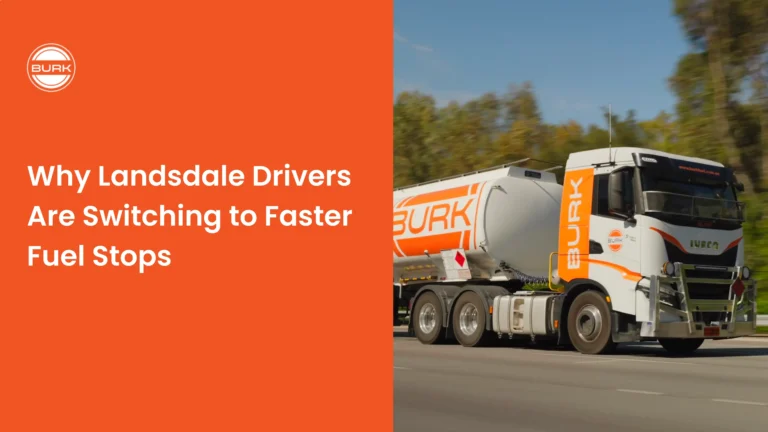
| To keep transport efficient across long distances, remote mines and exploration sites rely on heavy road trains. Using double, triple, or quad trailers allows suppliers to deliver anywhere from 50,000 to over 100,000 litres of fuel in a single trip. |
Every kilometre and axle load is calculated carefully.
Managing Driver Compliance and Fatigue
Transporting fuel is regulated under Australian Dangerous Goods legislation. Remote logistics adds another layer of complexity.
Drivers must comply with:
- Heavy vehicle fatigue management laws
- Dangerous goods transport regulations
- Site-specific safety inductions
Long-distance hauls require scheduled rest breaks and overnight planning. Suppliers build realistic timeframes into deliveries to ensure compliance and safety.
In remote areas, safety margins are not negotiable.
Weather and Seasonal Impacts
Australia’s climate directly affects fuel logistics.
Wet Season in Northern Australia
Heavy rainfall can isolate regions in the Kimberley and parts of the Northern Territory. Flooded roads delay deliveries and increase transport risks.
Suppliers often increase fuel stock levels at remote sites before the wet season begins to reduce disruption.
Extreme Heat in the Outback
High temperatures affect vehicle performance and safety procedures. Equipment inspections become even more important in extreme heat conditions common across inland Western Australia.
Bushfire Risk
During bushfire season, road closures can impact transport routes. Suppliers monitor alerts and adjust logistics accordingly.
Remote fuel delivery is as much about environmental awareness as it is about transport.
Step 3: Communication With Remote Sites
In metropolitan areas, delivery windows are flexible. In remote Australia, coordination is precise.
Before dispatch, suppliers confirm:
- Tank capacity onsite
- Site access instructions
- Induction requirements
- Security clearances
- Emergency procedures
Remote mines and stations often operate under strict entry protocols. Drivers may need to complete safety inductions before accessing site storage areas.
Communication is ongoing from dispatch to arrival.
Step 4: Arrival and Site Safety Protocols
When the tanker arrives at a remote location, procedures are rigorous.
Drivers conduct:
- Tank level verification
- Spill risk assessments
- Hose and coupling inspections
- Grounding procedures to prevent static discharge
Remote operations often use larger storage tanks designed to hold significant fuel volumes. These onsite storage and refuelling procedures follow the AS 1940:2017 standard, which requires:
- Double-Walled Protection (110% Bunding): Self-bunded tanks or containment areas built to catch leaks before fuel can contaminate soil or groundwater.
- Overfill Alarms & Auto Shut-Offs: Automated valves and audible alarms that stop the flow before a tank overflows during high-volume deliveries.
- Static Grounding: Attaching earthing cables before connecting hoses to eliminate spark risks when transferring fuel.
Because emergency services can be hours away in outback Australia, these built-in safety features are essential to protect the site.
Storage Infrastructure in Remote Locations
Remote operations usually maintain larger onsite storage capacity than metro businesses.
This is intentional.
The further a site is from a fuel terminal, the greater the need for buffer stock. Mining operations in the Pilbara, for example, may maintain substantial diesel reserves to avoid production stoppages.
Agricultural properties in regional WA also rely on onsite tanks to support harvest operations when delivery access may be limited.
Storage planning is part of the overall logistics strategy.
| The Remote Buffer Rule: Due to multi-day round trips and potential wet-season road closures, remote mining and pastoral operations must maintain a minimum working buffer of 30% to 50% above standard weekly burn rates, utilizing self-bunded double-walled tanks with satellite-linked telemetry. |
Contingency Planning and Emergency Supply
Remote fuel logistics always includes contingency planning.
Suppliers prepare for:
- Mechanical breakdowns
- Road closures
- Weather disruptions
- Unexpected consumption spikes
In some cases, backup transport units are available. For critical operations such as mining or power generation, emergency refuelling plans are established in advance.
Downtime in remote areas is expensive. Planning reduces that risk.
The Cost Factors of Remote Fuel Delivery
Delivering fuel to remote Australia is more expensive than metro distribution.
Key cost drivers include:
- Long-haul transport distances
- Higher vehicle wear and maintenance
- Lower trip frequency
- Fuel used by the tanker itself
- Driver accommodation for overnight routes
However, bulk delivery remains more efficient than smaller, repeated runs.
For high consumption operations, strategic scheduling helps control per litre transport costs.
Technology Improving Remote Fuel Logistics
Modern technology has significantly improved remote bulk fuel delivery.
Tank Telemetry Systems
Remote tanks are often fitted with monitoring systems that transmit fuel levels in real time. This allows suppliers to plan deliveries before tanks reach critical levels.
It reduces emergency callouts and improves scheduling accuracy.
GPS Fleet Tracking
Live vehicle tracking improves safety and route monitoring, especially across long distances with limited infrastructure.
Digital Documentation
Electronic delivery dockets and compliance records streamline reporting for businesses claiming fuel tax credits.
Technology adds visibility to what was once a purely manual system.
Conclusion
From the red dirt roads of the Pilbara to Broadacre farms in the Wheatbelt, remote bulk fuel delivery underpins economic activity across Australia.
It is a carefully coordinated process involving terminals, transport, compliance and onsite management. Every step must be planned, monitored and executed with precision.
For businesses operating far from metropolitan centres, fuel logistics is not an afterthought. It is a core operational priority.
With the right bulk fuel partner, even the most remote sites can maintain steady supply, protect safety standards and avoid costly downtime.
In remote Australia, fuel delivery is not simple. But when done properly, it is seamless.
If you’re operating in outback or regional Australia, you should secure a remote fuel supply.
Burk Fuel helps you by delivering uncompromised reliability to Australia’s most remote operations.