Fuel keeps Australian businesses running. From transport depots in Perth to farms across regional Western Australia, reliable supply is essential to daily operations.
Handled incorrectly, however, fuel can damage soil, contaminate groundwater, and affect surrounding ecosystems. A single spill can trigger costly remediation, regulatory scrutiny, and operational downtime.
That is why bulk fuel delivery across Australia is governed by strict environmental standards. For construction sites, mining operations, farms, and fleet depots, environmental compliance is not simply administrative. It is operational risk management.
This article explains how environmental compliance works in bulk fuel delivery and what Australian businesses need to understand.
The Regulatory Landscape in Australia
Environmental compliance in fuel delivery is governed by both federal and state frameworks.
At a national level, regulations establish baseline standards for fuel quality and the transport of dangerous goods. These standards govern how fuel is classified, handled, and moved across Australia.
Each state then enforces its own environmental protection laws covering storage, pollution control, spill management, and reporting obligations. In Western Australia, these responsibilities fall under state environmental legislation regulating pollution and land contamination. Comparable frameworks apply in Queensland, Victoria, New South Wales, and other jurisdictions.
Typically, compliance requirements cover:
- Safe transport of fuel
- Approved storage installation
- Spill prevention systems
- Incident reporting obligations
- Ongoing site maintenance
Importantly, compliance is shared. Businesses that receive bulk fuel bear legal responsibility alongside their suppliers. Environmental protection is a joint obligation.
Preventing Soil and Groundwater Contamination
The most serious environmental risk in bulk fuel delivery is contamination.
Diesel and petrol can seep into soil and groundwater if leaks go undetected. This risk is particularly significant in agricultural regions and near waterways, where contamination can affect productivity and community water supplies.
Secondary Containment and Infrastructure
Australian standards require preventative controls such as bunded storage tanks, overfill protection, leak detection systems, and scheduled inspections.
Bunding plays a central role. A bund creates secondary containment around a storage tank, designed to hold fuel if the primary tank fails. Proper bund capacity ensures that any spill remains onsite, rather than spreading into surrounding land.
Regular inspections are equally important. Bund walls must remain structurally sound and sealed. Small cracks, corrosion, or pooling water can compromise containment integrity over time.
Prevention is always less costly than remediation.
Environmental Standards During Transport
Environmental compliance does not begin at the delivery point. It starts on the road.
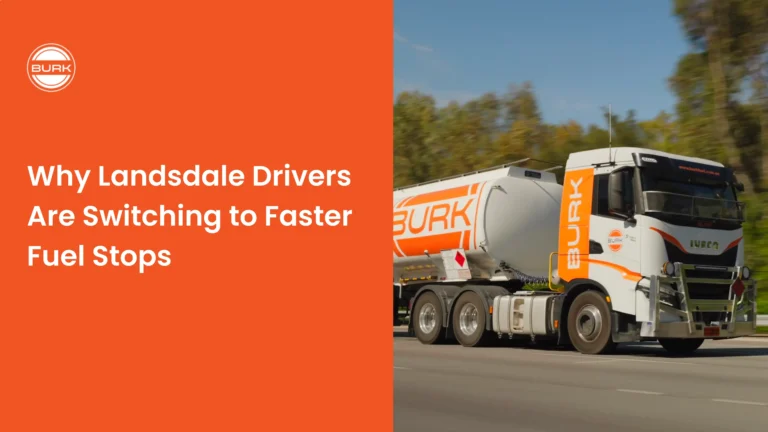
Bulk fuel tankers must meet Dangerous Goods transport standards, including certified tank construction, secure valves, compliant signage, and onboard spill containment equipment.
Drivers are trained in environmental response procedures. If an incident occurs during transport, immediate containment and reporting protocols are activated.
Maintenance and Route Planning
Reputable suppliers maintain strict servicing schedules for tanker fleets. Equipment failure is one of the leading causes of transport-related spills, so preventive maintenance significantly reduces environmental risk.
Route planning also plays a role. Efficient routing minimises travel time, reduces exposure to traffic hazards, and limits the likelihood of incidents in high-risk areas.
Environmental responsibility extends beyond the delivery gate.
Spill Prevention and Response Planning
Even with strong preventative systems in place, unexpected events can occur. For this reason, environmental compliance requires documented spill response procedures tailored to the site’s scale and risk profile.
At a minimum, sites storing bulk fuel should have:
- Accessible spill kits
- Trained personnel
- Clear reporting lines
- Immediate clean-up procedures
On larger operations, such as mining sites in the Pilbara or major infrastructure projects in Perth, formal Environmental Management Plans outline detailed response protocols.
Speed is critical. Early containment significantly reduces environmental damage and remediation costs. A prepared team can prevent a minor incident from escalating into a major environmental breach.
Managing Fuel Transfers Safely
The highest environmental risk during delivery occurs during fuel transfer. Overfills, loose fittings, or unattended hoses can result in rapid spills.
Safe Transfer Protocols
Standard procedures during delivery include verifying tank capacity before pumping begins, grounding equipment to prevent static discharge, monitoring fuel flow continuously, and ensuring all hoses and fittings are secure.
Drivers should never leave active transfers unattended. Clear communication between the driver and onsite personnel further reduces risk.
Environmental compliance is embedded in routine delivery procedures. It is not an add-on to operations, but part of standard practice.
Site Design and Environmental Responsibility
The way a site is designed directly influences environmental performance.
Poorly positioned tanks, inadequate drainage, or proximity to stormwater systems can increase the risk of contamination during heavy rainfall events.
Best practice site design in Australia includes positioning tanks away from drains, installing appropriate drainage controls, placing tanks on stable ground, and maintaining clear separation from waterways.
Construction sites and farms in regional Western Australia must also consider local rainfall patterns and soil conditions. Even in drier regions, intense storm events can occur. Proper containment planning accounts for these scenarios.
Sound site design reduces long-term exposure and strengthens environmental resilience.
Record Keeping and Reporting
Environmental compliance is not limited to physical controls. Documentation is equally important.
Businesses storing bulk fuel should maintain accurate records of tank inspections, maintenance, delivery volumes, spill incidents, and corrective actions.
If a significant spill occurs, reporting to relevant state authorities may be mandatory. Clear documentation demonstrates regulatory compliance and supports transparency.
Accurate records also assist with insurance claims, audits, and internal risk assessments. In regulated industries, good documentation is part of responsible governance.
Fuel Quality and Environmental Impact
Environmental responsibility extends beyond preventing spills. It also includes managing emissions and fuel integrity.
Fuel supplied in Australia must meet national quality standards. For example, low sulphur diesel reduces harmful emissions and supports cleaner combustion in heavy machinery and fleet vehicles.
Maintaining fuel quality during transport and storage reduces contamination risk, minimises equipment wear, and lowers environmental impact.
Compliance, therefore, covers both containment and performance.
Remote and Regional Environmental Considerations
Remote operations face unique challenges.
Mining operations in regional Western Australia often operate near sensitive ecosystems. Agricultural properties depend on clean soil and water for ongoing productivity.
Transport distances in remote areas are longer, emergency services may be further away, and weather conditions can shift rapidly.
Maintaining adequate buffer stock reduces the need for urgent deliveries during poor weather, thereby reducing spill risk. Planning ahead is especially important in regional Australia, where response times may be extended.
Environmental compliance in remote areas must be disciplined and proactive.
The Role of Supplier Partnership
Environmental performance improves when businesses partner with experienced fuel suppliers.
A responsible bulk fuel supplier will maintain certified tanker fleets, train drivers thoroughly, follow strict transfer protocols, and provide transparent documentation.
Suppliers who understand local regulations and site conditions help integrate compliance into daily operations.
Environmental responsibility works best when it is collaborative.
Continuous Improvement
Environmental standards evolve. Regulators update requirements, industry best practices improve, and technologies such as tank telemetry enhance monitoring accuracy.
Businesses should periodically review the integrity of infrastructure, staff training, spill response readiness, and delivery procedures.
Environmental compliance is not a one-time setup. It is an ongoing operational commitment that strengthens resilience over time.
Conclusion
Bulk fuel delivery underpins transport, mining, agriculture, and construction across Australia.
At the same time, environmental protection is non-negotiable. Strict adherence to storage standards, transport regulations, spill prevention protocols, and reporting obligations protects soil, water, communities, and businesses.
With proper infrastructure, disciplined procedures, and a reliable supply partner, bulk fuel delivery can be both efficient and environmentally responsible.
Fuel powers operations. Responsible management protects Australia’s future.