In metropolitan Australia, fuel access is taken for granted. Service stations are frequent, delivery routes are short and supply chains are relatively simple.
In regional and remote Australia, the situation is very different.
From the Pilbara to the Kimberley, from inland New South Wales to remote parts of South Australia, fuel access is shaped by distance, weather, infrastructure limitations and freight logistics.
For transport operators, mining contractors, agricultural businesses and remote communities, fuel access is not just about cost. It is about continuity.
Understanding the challenges is the first step toward managing them properly.
1. Geographic & Environmental Realities
Vast Distances and Long Supply Chains
Australia’s geography is one of the biggest variables in fuel access. Fuel must often travel hundreds or even thousands of kilometres from coastal terminals to inland towns or remote sites.
Each additional kilometre adds:
- Freight cost
- Transit time
- Scheduling complexity
- Risk exposure
In Western Australia, for example, fuel transported from coastal terminals to remote mining regions must cover long stretches of highway and remote road networks. Distance increases vulnerability to disruption. If a delivery is delayed, there are fewer backup options compared to metro areas.
Limited Competition in Remote Markets
Metro areas benefit from competitive fuel markets. In remote regions, fewer suppliers operate due to distance and logistical complexity.
Reduced competition can result in:
- Higher retail margins
- Fewer pricing options
- Limited flexibility
For businesses consuming significant volumes, establishing structured bulk delivery agreements often provides better cost control than relying on limited retail outlets.
Weather and Road Conditions
Regional and remote Australia is highly exposed to weather events. Flooding in northern regions can isolate communities and cut road access. Cyclones, heavy rainfall and bushfires can disrupt transport routes.
Unsealed roads common in rural and remote areas can become inaccessible during wet conditions.
When roads close, fuel deliveries stop.
This creates a cascading impact:
- Mining operations risk shutdown
- Farms during harvest face productivity loss
- Freight routes may be delayed
Fuel access planning in remote areas must account for seasonal weather patterns.
Higher Transport Costs
Freight is one of the largest contributors to fuel pricing in remote regions. The further fuel travels, the higher the transport component.
Transport cost increases with:
- Distance
- Road conditions
- Fuel volume
- Vehicle type
For smaller volume deliveries, the per litre freight impact can be significant. Businesses in remote areas often pay more per litre simply due to geography. This reality must be factored into budgeting.
2. Infrastructure & Market Limitations
Limited Retail Infrastructure
Regional towns may have only one or two service stations. In some remote areas, fuel outlets operate limited hours or depend on scheduled tanker deliveries.
For businesses relying on retail refuelling, this creates risk:
- Limited supply during peak demand
- Exposure to price spikes
- Restricted operating hours
- Higher per litre costs
For fleets and contractors operating across remote corridors, relying solely on servo access is rarely sustainable long-term. Bulk supply planning becomes essential.
Storage Capacity Constraints
Some remote operations rely on smaller storage tanks due to space constraints, budget considerations or compliance limits. While practical in the short term, limited storage reduces resilience.
If fuel use rises unexpectedly or a delivery is delayed, levels can fall quickly. Increasing storage capacity where feasible improves stability by reducing delivery frequency, building greater buffer stock and aligning more efficiently with transport minimums. In many remote settings, storage capacity is the difference between steady operations and ongoing risk.
| The Remote Buffer Rule: In regional and remote operations where replenishment lead times can exceed 5–7 days due to road train scheduling or weather closures, facilities should maintain a minimum working buffer of 30% to 50% above standard weekly consumption rather than operating on just-in-time delivery. |
Communication and Connectivity Challenges
In metropolitan areas, coordinating fuel deliveries is straightforward. In remote regions, limited mobile coverage and patchy internet connectivity can complicate communication.
Delayed communication can lead to:
- Missed delivery windows
- Confusion around scheduling
- Reactive rather than proactive ordering
Clear communication protocols and defined reorder levels reduce reliance on last-minute calls. Structured systems matter more where connectivity is limited.
3. Operational Risks & Demand Volatility
Risk of Supply Interruptions
Supply chain disruptions can occur due to:
- Mechanical breakdowns of tankers
- Driver shortages
- Port delays
- Refinery outages
- Road closures
In remote Australia, alternative supply options may be hundreds of kilometres away. Without adequate buffer stock, businesses risk operational shutdown. For mining contractors in the Pilbara or agricultural operators in the Wheatbelt, running out of fuel can mean halting production entirely.
Seasonal Demand Surges
Certain regional industries operate with sharp seasonal demand spikes. Agricultural harvest periods in Western Australia, tourism peaks in northern regions and resource project ramp-ups can all drive significant increases in fuel consumption. If supply planning does not anticipate these surges, local availability can tighten quickly. Integrating fuel forecasting with operational calendars helps protect against seasonal shortages and ensures supply keeps pace with activity.
Compliance and Environmental Considerations
Fuel storage and transport in remote areas must still comply with Australian Dangerous Goods regulations and environmental protection standards.
Remote sites sometimes face additional challenges:
- Limited access to maintenance services
- Delayed inspection schedules
- Harsh environmental conditions are affecting tank integrity
Ensuring compliant storage in remote conditions requires disciplined management. Non-compliance can result in penalties or forced shutdowns, which are even more disruptive when alternatives are distant.
Conclusion
In regional and remote Australia, fuel access is not a minor operational detail. It determines uptime, revenue flow and overall confidence in your schedule.
Distance and remoteness are realities you cannot change. Exposure to disruption is not. Businesses that approach fuel planning with structure and foresight are far better equipped to absorb weather events, supply interruptions and seasonal surges.
With disciplined monitoring and a reliable supply framework, fuel risk becomes manageable rather than reactive. For remote operators, fuel security is operational security. In Australia’s vast regional landscape, that stability is not optional. It is essential.
Operating in Regional or Remote Australia? Don’t Leave Fuel to Chance.
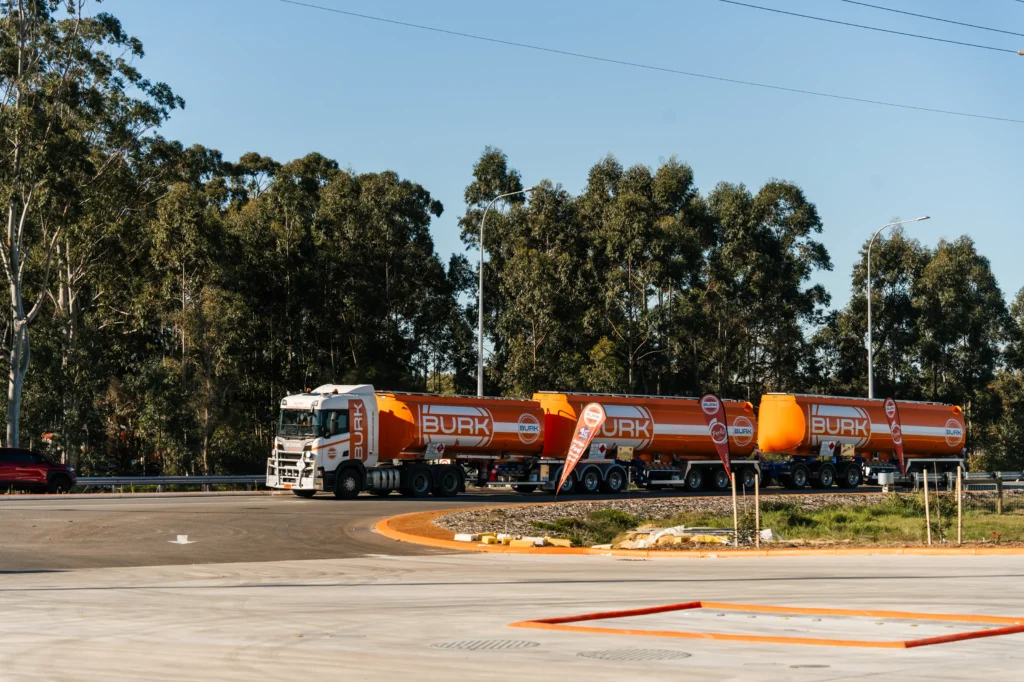
From scheduled multi-trailer drops in the Pilbara and Goldfields to on-site tank installations and remote telemetry monitoring, Burk Fuel ensures your regional business maintains continuous supply.