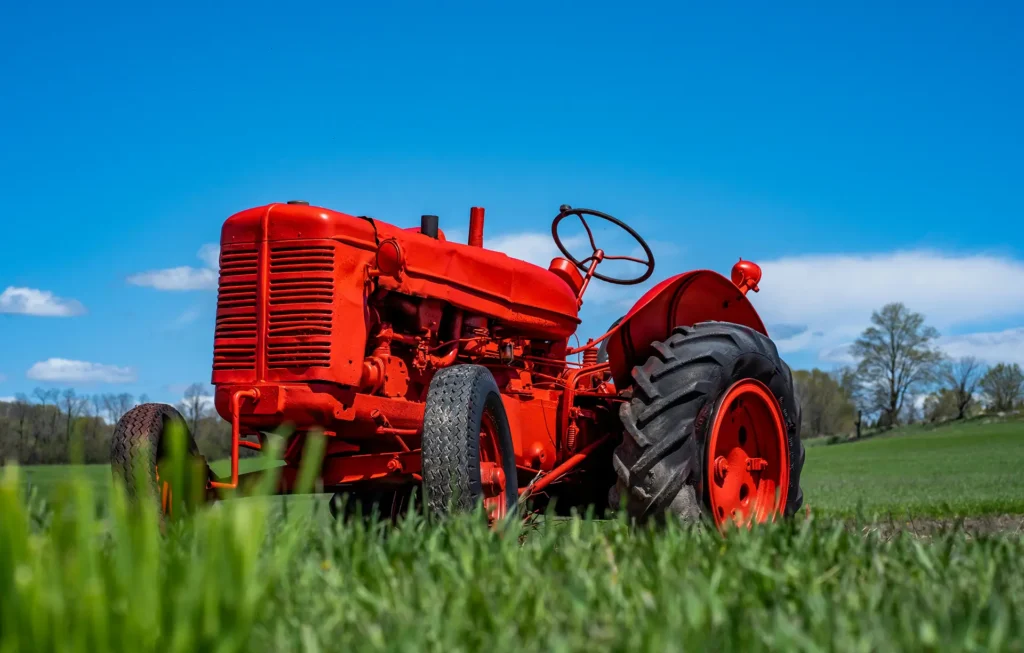
Fuel is one of the highest operating costs on Australian farms.
From tractors and headers to irrigation pumps and utes travelling between paddocks, diesel use adds up quickly. Across rural Australia, long distances and heavy workloads magnify that impact.
Fuel efficiency on farms is not about reducing productivity. It is about protecting margins in an industry where input costs are constantly under pressure.
With disciplined planning and smarter systems, farms can reduce fuel waste without compromising output.
Here is a practical guide to improving fuel efficiency in agricultural and rural operations.
Match Machinery to the Job
Using oversized machinery for smaller tasks burns unnecessary fuel.
High-horsepower tractors consume more diesel even when lightly loaded. Over time, that mismatch increases litres per hectare and operating cost.
Where possible:
- Match horsepower to task requirements
- Avoid running large tractors for light duties
- Allocate machinery strategically across teams
Across WA, small adjustments to equipment allocation can deliver noticeable seasonal fuel savings without reducing productivity.
Maintain Equipment Properly
Well-maintained machinery runs more efficiently and uses less fuel.
Regular servicing improves combustion performance and reduces mechanical strain. Focus on maintaining clean air filters, correct tyre inflation, proper engine tuning, and efficient hydraulic systems.
Under-inflated tyres increase rolling resistance, particularly in soft paddock conditions common across parts of Western Australia.
Preventative maintenance protects both fuel efficiency and the lifespan of machinery. It reduces breakdown risk during peak seasons when downtime is most costly.
Reduce Idling in the Yard and Paddock
Farm machinery often idles during loading, adjustments, and short breaks.
Extended idling burns fuel without generating productive work. Across harvest or seeding periods, unnecessary idling can accumulate into significant seasonal waste.
Encourage operators to shut down engines during longer pauses. Modern engines restart efficiently and consume less fuel than extended idle periods.
Reducing idle time is a simple behavioural change that delivers consistent savings.
Plan Field Operations Efficiently
Operational planning in the paddock directly affects fuel use.
Inefficient field patterns increase overlap, repeated passes, and unnecessary travel, particularly during spraying and fertilising.
Using GPS guidance systems where available helps:
- Minimise overlap
- Reduce repeated runs
- Improve straight-line efficiency
Precision agriculture tools improve application accuracy and reduce fuel waste.
Less overlap means fewer litres burned per hectare.
Optimise Transport Between Properties
Many rural operations manage multiple blocks of land spread across considerable distances.
Frequent transport between properties increases diesel use and vehicle wear.
Improve efficiency by consolidating tasks at each location before moving, coordinating labour and machinery transfers, and planning supply deliveries carefully to avoid unnecessary return trips.
In regional WA, where properties can be separated by long stretches of road, improved scheduling can make a substantial difference over a season.
Monitor Fuel Usage by Season
Fuel consumption fluctuates significantly throughout the year.
Harvest, seeding, and spraying periods drive peak diesel usage. Off-peak months typically see lower consumption.
Track:
- Litres used per month
- Usage by machinery type
- Peak daily consumption during harvest
This data supports better forecasting and highlights unexpected spikes in consumption.
Fuel efficiency starts with visibility.
Establish Clear Reorder Levels for Bulk Supply
Most large farms rely on bulk storage of diesel.
Allowing tanks to run too low increases stress and may result in urgent deliveries at a higher cost. Proactive bulk planning improves efficiency, reduces emergency transport costs, and provides peace of mind during high-pressure periods.
Reduce Unnecessary Weight in Vehicles
Farm utes and support vehicles often carry tools, fencing equipment, and spare parts year-round.
Excess weight increases fuel consumption, particularly over long rural distances. Review vehicle contents regularly and remove items not required for daily operations. Reducing weight improves fuel economy without affecting functionality.
Consider Tyre Choice and Pressure
Tyre selection and pressure directly affect rolling resistance.
Incorrect tyre types or poorly maintained pressures increase fuel demand and wheel slip.
For tractors and heavy machinery:
- Maintain recommended tyre pressure for specific field conditions
- Adjust pressure where appropriate for paddock versus transport work
Minimising wheel slip, particularly in soft soils, reduces wasted fuel and improves traction efficiency.
Reduce Unnecessary Engine Load
Hydraulic systems, PTO-driven equipment, and auxiliary loads increase fuel demand.
Ensure machinery is configured correctly for each task. Avoid operating at unnecessarily high RPMs when lower engine speeds are sufficient.
Running engines within optimal performance ranges improves litres-per-hour efficiency.
Operator training plays a critical role in reducing unnecessary engine load.
Invest in Efficient Bulk Fuel Management
For farms consuming significant volumes of diesel, on-site bulk storage provides greater control than relying on regional servos.
Bulk supply offers:
- Reduced exposure to retail pricing cycles
- Less travel time for refuelling
- Improved tracking of total usage
- Structured seasonal planning
Consolidated deliveries reduce per-litre transport costs and minimise operational disruption during busy periods.
When fuel is stored onsite in compliant tanks, refuelling becomes faster and more predictable.
Train Operators in Fuel-Conscious Driving
Operator behaviour affects fuel performance as much as machinery condition.
Encourage smooth throttle control, efficient gear selection, steady acceleration, and avoidance of unnecessary high revving.
Consistent reinforcement of fuel-efficient habits reduces waste without slowing productivity.
Over a full season, disciplined driving and machine operation compound into meaningful savings.
Protecting Farm Margins
Agriculture operates on tight margins and faces volatile commodity pricing.
Fertiliser, seed, labour, and machinery costs continue to rise. Fuel remains one of the few inputs where disciplined management delivers consistent savings.
Even modest improvements in litres per hectare can significantly protect profitability across large properties.
Fuel efficiency is not about reducing output. It is about eliminating avoidable waste.
Conclusion
For farms across Western Australia and rural Australia, fuel will always remain essential.
- The goal is not to eliminate fuel use, but to manage it intelligently: By matching machinery to tasks, properly maintaining equipment, carefully planning paddock operations, monitoring consumption, and structuring bulk supply effectively, farms can reduce fuel waste without affecting productivity.
- In rural operations, every litre matters: Managing fuel proactively protects margins, strengthens operational stability, and supports long-term resilience in an industry where efficiency defines success.
- Don’t let empty tanks stop your harvest: When the weather is right, your machinery needs to be running. Contact Burk Fuel to secure your seasonal bulk diesel supply for guaranteed, scheduled deliveries across regional WA.