Fuel keeps Australian businesses moving. But the supplier behind that fuel can make the difference between smooth operations and constant disruption.
Choosing a bulk fuel supplier is not just about finding the lowest price per litre. It is about reliability, regional coverage, compliance, communication and long-term partnership.
Whether you run a transport fleet in Perth, manage a construction project in regional Western Australia or operate a farm in the Wheatbelt, the right supplier should support your operations, not complicate them.
Here is what to consider when choosing the best bulk fuel supplier in Australia.
Start With Reliability, Not Price
Price matters. But reliability matters more.
A supplier who consistently delivers on time, communicates clearly and understands your operational demands will save you more in the long run than one offering marginally lower pricing but inconsistent service.
Ask yourself:
- Do they have a proven delivery track record?
- Can they service both metro and regional locations?
- Do they handle urgent requirements professionally?
Missed deliveries can halt machinery, disrupt fleets and delay projects. In industries like mining and logistics, the cost quickly exceeds any small price difference.
Assess Regional and Remote Capability
Australia’s geography is vast.
A supplier that works well in metropolitan Melbourne may not be equipped to service remote sites in the Pilbara or agricultural properties in regional WA.
If your operations extend beyond capital cities, evaluate:
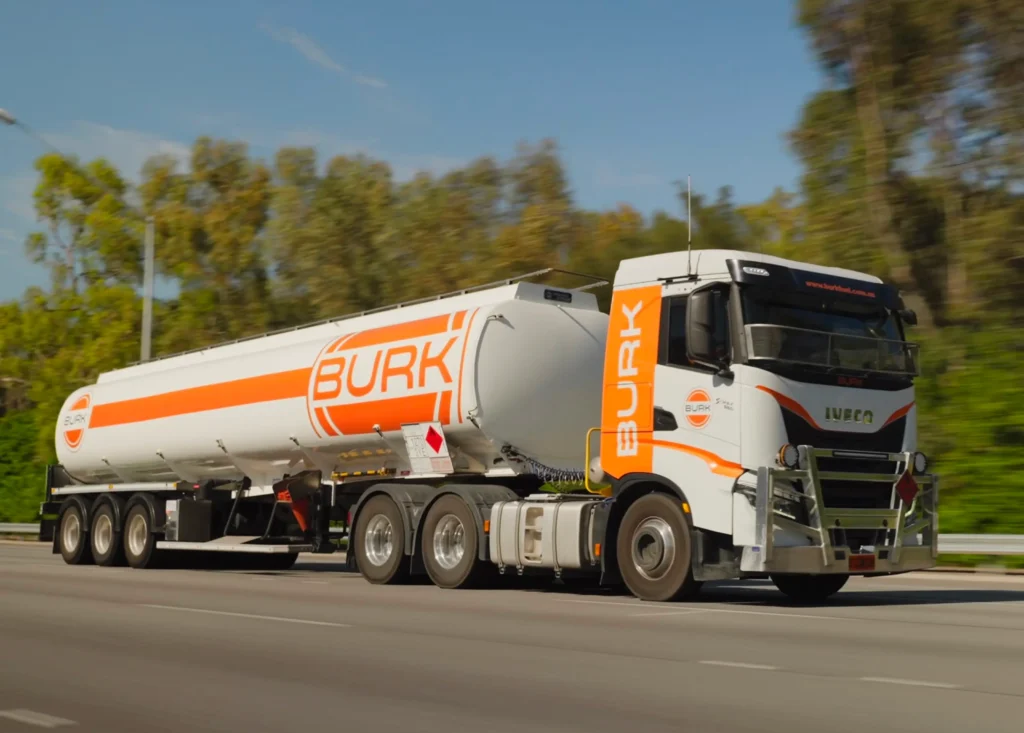
- Their tanker fleet size
- Experience servicing regional corridors
- Knowledge of local road conditions
- Ability to manage remote logistics
Distance affects delivery scheduling, minimum order quantities and contingency planning.
A supplier familiar with Australia’s regional conditions will anticipate challenges such as wet season access issues and long-haul fatigue management requirements.
Evaluate Safety and Compliance Standards
Bulk fuel is classified as a dangerous good.
Your supplier must operate under strict compliance with Australian Dangerous Goods regulations, Work Health and Safety laws and environmental protection standards.
Look for evidence of:
- Certified tanker fleets
- Trained and licensed drivers
- Clear spill response procedures
- Documented compliance processes
- Proper insurance coverage
Safety standards protect both your business and the surrounding community. A reputable supplier prioritises compliance without cutting corners.
Review Pricing Transparency
Bulk fuel pricing in Australia is influenced by wholesale terminal gate pricing, fuel excise, transport costs and operational margins.
A professional supplier should explain:
- How pricing is structured
- Whether rates are linked to wholesale benchmarks
- How transport costs are calculated
- What surcharges apply, if any
Transparency builds trust. You should understand what influences your invoice rather than feeling exposed to unpredictable pricing changes.
Consider Storage and Monitoring Support
Fuel supply does not stop at delivery.
The best suppliers support clients with:
- Tank installation guidance
- Storage compliance advice
- Telemetry and monitoring solutions
- Reorder level planning
For example, real time tank monitoring can significantly reduce the risk of emergency deliveries.
A supplier who offers structured fuel management support adds value beyond simply delivering diesel. This is particularly important for transport depots, construction sites and agricultural operations with variable demand.
Assess Delivery Flexibility
No business operates on a perfectly flat consumption curve. Fuel demand may spike during harvest season, infrastructure ramp-ups or fleet expansion.
Ask potential suppliers:
- Can delivery schedules be adjusted quickly?
- How are emergency requests handled?
- What is the typical response time?
Flexible scheduling protects your operations during periods of change. Rigid supply structures can create unnecessary risk.
Check Documentation and Administrative Support
Clear documentation is essential for:
- Fuel tax credit claims
- Financial reporting
- Compliance audits
- Usage tracking
Bulk fuel deliveries should come with accurate, detailed dockets and invoices. Suppliers who provide clean, consistent documentation reduce administrative workload. For industries eligible for fuel tax credits, proper records directly affect financial outcomes.
Look at Long-Term Partnership Potential
Fuel supply works best as a long-term relationship.
Over time, your supplier should understand:
- Your consumption patterns
- Seasonal demand cycles
- Operational growth plans
- Site-specific requirements
This familiarity allows for proactive planning rather than reactive problem-solving.
A strong supplier relationship builds operational confidence.
You should feel comfortable picking up the phone and speaking to someone who understands your business, not just your account number.
Compare More Than One Option
Even if you are satisfied with your current arrangement, it is wise to review the market periodically.
When comparing suppliers, assess:
- Service coverage
- Response times
- Compliance standards
- Communication quality
- Pricing structure
- Local reputation
Do not focus solely on headline rates. Evaluate total value, including operational support and reliability. The cheapest option is rarely the strongest long-term choice.
Ask the Right Questions
Before signing any supply agreement, ask direct, practical questions. This is where you separate experienced operators from sales-driven promises.
- How do you manage regional deliveries during adverse weather conditions?
- What contingency plans are in place for urgent or unexpected fuel requirements?
- How is your pricing structured, and how is it linked to wholesale benchmarks?
- What support do you provide for storage compliance and regulatory obligations?
The quality of the answers matters as much as the answers themselves. An experienced supplier will explain processes clearly, outline realistic response times and demonstrate operational depth.
Vague responses, hesitation or overly broad assurances can signal gaps in planning. Fuel supply underpins your operations. The supplier you choose should show the same level of discipline and foresight that you expect within your own business.
The Importance of Local Knowledge
Australia is not a uniform operating environment. The realities of operating in metropolitan Perth are very different from running equipment in regional Western Australia or servicing projects in northern Queensland. Distances are greater, weather conditions are harsher, and access can change quickly.
That is why local knowledge matters. A supplier who understands the region can improve scheduling accuracy, plan delivery routes more efficiently, manage risk proactively and respond faster when conditions shift. They know which roads flood, which sites have tight access points and how seasonal demand affects supply.
At Burk Fuel, local expertise is not a marketing line. It is built into how deliveries are planned and executed. Understanding the nuances of Australian operations allows us to anticipate challenges before they become disruptions.
When your fuel partner genuinely knows the local landscape, operations tend to run smoother.
The Bottom Line
Choosing a bulk fuel supplier is not a routine procurement decision. It is a strategic move that shapes cost control, operational continuity, compliance and long term growth.
The right partner delivers consistently, communicates clearly, upholds strict safety standards and provides full pricing transparency. More importantly, they support your operations as they expand and evolve.
Fuel should be one of the most predictable parts of your business, not an ongoing uncertainty. Across Australia, businesses that work with dependable, regionally experienced suppliers build stronger, more resilient operations.
When evaluating your options, look beyond the price per litre. Prioritise reliability, professionalism and a supplier who understands the realities of the Australian industry.