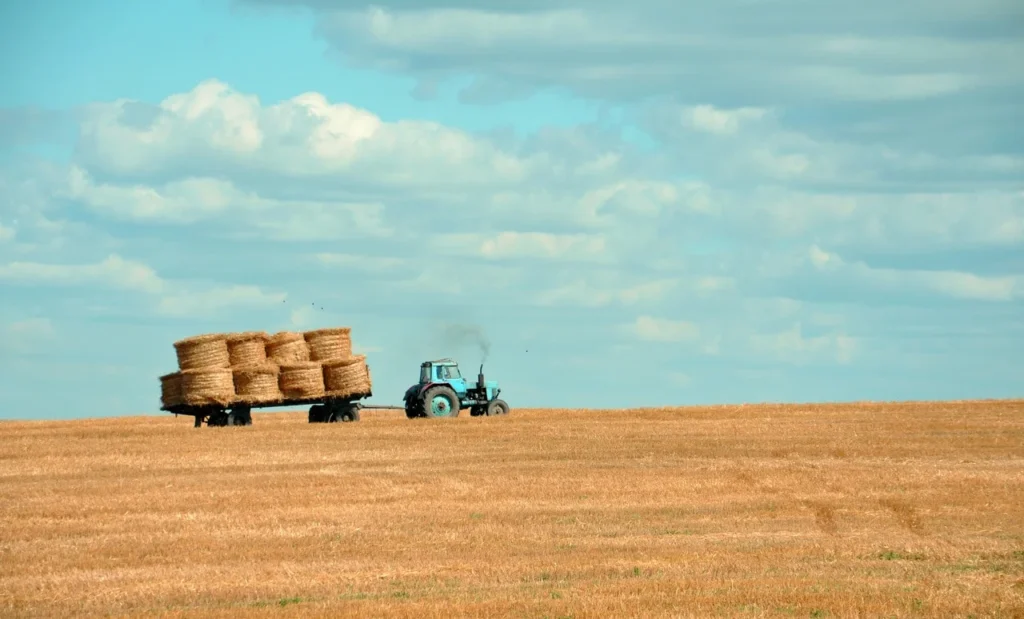
In broadacre farming, timing is everything.
When the weather opens a planting or harvest window, there is no room for delay. Machinery must run continuously, operators must stay in the paddock, and every productive hour matters.
This case study examines how a large mixed-cropping operation in regional Western Australia reduced downtime, improved fuel-cost control, and strengthened operational reliability by restructuring its bulk-fuel delivery strategy.
All identifying details have been withheld. The focus is on operational approach and measurable outcomes.
The Background
The business operates several thousand hectares of wheat and canola across multiple properties in regional WA.
Its asset base includes:
- Multiple tractors
- Harvesters and headers
- Sprayers
- Irrigation pumps
- Farm support vehicles
During peak harvest season, diesel consumption rises sharply. Machinery runs extended shifts, often around the clock when weather permits.
Before restructuring its fuel strategy, the farm relied on relatively small onsite storage tanks and occasional retail refuelling in the nearest regional town.
Initially, this appeared manageable. Over time, however, operational inefficiencies became increasingly visible.
The Problem: Lost Time and Rising Costs
Three core challenges were affecting performance.
1. Frequent Refuelling Interruptions
The farm operated with two modest-sized diesel tanks. During harvest, these required refilling multiple times per week.
When levels dropped unexpectedly, operators would drive machinery offsite to purchase diesel from a retail service station.
This resulted in:
- Lost productive field time
- Additional vehicle wear
- Increased transport costs
- Exposure to volatile retail pricing
What seemed like short interruptions were compounding across the season. Even minor refuelling detours disrupted workflow and reduced total operating hours during critical periods.
2. Poor Visibility Over Fuel Usage
Fuel consumption was not being tracked systematically.
Reorder timing relied on estimates and visual tank checks rather than structured data analysis. As a result:
- Tanks occasionally approached critical levels
- Emergency top-ups were required
- Supplier scheduling became reactive
Emergency deliveries introduced higher transport costs and operational stress. Without accurate data, fuel management remained guesswork.
3. Limited Buffer During Peak Demand
Harvest consumption far exceeded off-season averages.
Daily usage during peak weeks surged beyond typical planning assumptions. With limited storage capacity, the farm was operating too close to empty.
A delayed delivery, whether due to weather or logistics, could have halted harvesting operations entirely.
The operational risk was too high.
The Solution: Structured Bulk Fuel Planning
The farm partnered with a regional bulk fuel supplier to redesign its system.
The solution focused on infrastructure, forecasting, and seasonal alignment.
Step 1: Upgrading Storage Capacity
The first change involved installing larger, compliant diesel storage tanks with proper bunding and overfill protection.
This upgrade reduced delivery frequency and allowed the farm to accept larger bulk drops aligned with supplier minimum order quantities.
Spreading transport costs across greater volumes improved per-litre efficiency.
More importantly, larger storage created a meaningful buffer. Fuel supply was no longer dependent on tightly timed deliveries.
Step 2: Implementing Clear Reorder Levels
The business began calculating reorder points using actual consumption data rather than rough estimates.
The calculation used was:
Reorder level = (average daily usage × delivery lead time) + safety stock
Crucially, the farm based its figures on peak-season daily usage rather than annual averages. Delivery lead times were also adjusted to reflect realistic regional WA transport conditions.
Orders were placed well before tanks reached critical thresholds.
Emergency callouts were eliminated.
Step 3: Aligning Deliveries With Seasonal Demand
Fuel demand fluctuated significantly throughout the year.
During harvest, deliveries were scheduled more frequently and in higher volumes. Outside peak periods, delivery frequency was reduced to avoid tying up unnecessary working capital.
This structured alignment ensured:
- Adequate stock during high-demand windows
- Reduced cash tied up during low-demand periods
- Improved logistical efficiency
Fuel management shifted from reactive to proactive planning.
The Results
Within the first harvest season under the revised system, the farm recorded clear operational improvements.
Reduced Downtime
Machinery no longer left the paddock for retail refuelling.
Operators refuelled on site during planned breaks, minimising disruption to the workflow. Over the course of the season, the business estimated that removing off-site refuelling trips saved dozens of productive hours.
Those hours translated directly into improved harvesting efficiency.
Elimination of Emergency Deliveries
Structured reorder planning and increased buffer capacity removed the need for urgent fuel supply.
This reduced:
- Callout surcharges
- Scheduling pressure
- Operational risk exposure
Fuel became predictable rather than stressful.
Improved Cost Visibility
Consolidated bulk deliveries and improved record keeping provided clearer insight into seasonal fuel consumption patterns.
This supported:
- More accurate budgeting
- Improved fuel tax credit reporting
- Stronger financial forecasting
Data replaced assumptions.
Greater Operational Confidence
Perhaps the most valuable outcome was confidence during peak production windows.
Operators no longer worry about fuel levels while racing against weather forecasts. Extended operating hours were supported without hesitation.
This stability reduced stress, improved decision-making, and allowed management to focus on crop outcomes rather than supply logistics.
Key Takeaways for Agricultural Businesses
This case highlights several practical lessons for farms across Australia.
Storage capacity plays a critical role in operational stability. Small tanks may appear economical but can create bottlenecks during peak demand.
Clear reorder planning eliminates emergency dependency. Seasonal demand forecasting ensures supply aligns with reality.
Strong communication with a reliable regional supplier builds resilience.
Fuel is not simply another input cost in agriculture. It is a time-sensitive operational enabler.
Fuel as a Strategic Asset
Before restructuring its system, this farm treated fuel as a routine supply matter.
After implementing structured bulk delivery planning, fuel became a strategic asset.
Downtime was reduced. Costs were controlled more effectively. Operational risk declined.
In agriculture, inefficiencies multiply quickly during peak seasons. A well-planned bulk fuel system supports productivity, protects margins, and reduces stress during narrow weather windows.
Reliable fuel supply supports reliable harvest outcomes.
In Australian agriculture, that reliability can make all the difference.
Conclusion
For this regional Western Australian cropping operation, restructuring bulk fuel delivery was not simply a logistical adjustment. It was a productivity upgrade.
By increasing storage capacity, defining clear reorder levels, and aligning deliveries with seasonal demand, the business reduced downtime, eliminated emergency costs, and strengthened financial visibility.
Fuel management shifted from reactive to strategic.
For agricultural businesses operating under tight seasonal windows, structured bulk fuel planning is more than convenience. It is operational protection.
In Australian farming, where timing defines success, a predictable fuel supply supports predictable results.