Fuel demand is not constant. It rises and falls with seasons, industry cycles, and regional activity. For transport fleets, construction sites, and agricultural operations across Australia, these fluctuations can create real pressure on supply.
During harvest periods, infrastructure projects, or peak freight seasons, fuel consumption increases sharply. Businesses that rely on steady, predictable usage suddenly face higher drawdowns, tighter delivery windows, and greater risk of running low at critical moments.
Fuel shortages during these periods are rarely caused by a lack of supply in the market. More often, they result from poor planning, limited storage capacity, or delays in delivery coordination. Avoiding these shortages requires a more structured approach to fuel management.
Why Fuel Demand Spikes During Peak Periods
Seasonal demand is driven by operational intensity.
In agriculture, harvest periods require continuous machinery operation. Equipment runs longer hours, and fuel consumption can double compared to off-season usage. Missing a refuel window during harvest can bring operations to a halt at the worst possible time.
In transport and logistics, peak retail cycles and increased freight movement place additional strain on fleets. Vehicles cover more kilometres, and turnaround times tighten. Fuel needs rise accordingly.
Construction activity also tends to cluster around favourable weather conditions. Projects ramp up simultaneously, increasing demand across multiple sites.
These overlapping cycles create pressure not just on individual businesses, but on the entire fuel supply chain.
The Risk of Reactive Fuel Management
Many businesses manage fuel reactively. They reorder when levels drop or when a delivery is due. This approach works under normal conditions, but it breaks down during peak demand.
When usage increases suddenly, reorder points based on average consumption become unreliable. Tanks deplete faster than expected, and delivery lead times may extend due to increased demand on suppliers.
Reactive management often leads to:
- Last-minute fuel orders
- Emergency deliveries at higher cost
- Operational delays while waiting for supply
In high-demand periods, suppliers prioritise scheduled deliveries over urgent requests. Businesses without forward planning may find themselves at the back of the queue.
| Operational Factor | Reactive Fuel Management | Proactive / Scheduled Supply |
| What Triggers the Order | Manual dipstick checks and last-minute calls | Automated telemetry or data-backed reorder levels |
| Supplier Priority | Back of the queue during regional demand spikes | Guaranteed allocations via scheduled delivery agreements |
| Cost Impact | Premium emergency freight charges | Standard wholesale transport rates |
Forecasting Demand with Real Usage Data
Avoiding shortages starts with understanding consumption patterns.
Historical usage data provides valuable insight into how fuel demand changes throughout the year. By analysing past peak periods, businesses can estimate expected increases and adjust planning accordingly.
This is not about guesswork. It is about using real data to identify:
- Average daily consumption during peak periods
- Maximum usage under high load conditions
- Variations across different sites or vehicles
With this information, businesses can set more accurate reorder levels and build buffer capacity ahead of demand spikes.
Forecasting also helps align fuel supply with operational schedules. For example, knowing when harvest begins or when freight volumes increase allows businesses to secure supply in advance.
Increasing Storage Capacity Where It Matters
Storage capacity plays a critical role in fuel security.
Businesses with limited onsite storage are more vulnerable to shortages. They rely heavily on frequent deliveries, which can become unreliable during peak demand.
Increasing storage capacity provides a buffer. It allows businesses to hold additional fuel onsite, reducing dependence on immediate deliveries.
However, this is not simply about installing larger tanks. It requires careful planning around:
- Consumption rates
- Available space
- Safety and compliance requirements
For some operations, even a modest increase in storage can significantly improve resilience. It provides flexibility to manage supply without constant pressure.
| ⚠️ The Peak Season Buffer Rule:
During normal operations, a standard 20% safety buffer may be sufficient. However, because fuel consumption can double during harvest or peak earthworks, and supplier delivery lead times often extend, businesses should aim to maintain a 40% to 50% safety buffer in their bulk tanks to completely insulate their operations against delayed deliveries. |
Securing Supply Through Scheduled Deliveries
One of the most effective ways to avoid shortages is to move from ad hoc ordering to scheduled fuel deliveries.
Scheduled supply agreements ensure that fuel is delivered at regular intervals based on expected usage. During peak periods, this consistency becomes even more valuable.
Suppliers are better able to plan logistics when deliveries are scheduled in advance. This improves reliability and reduces the risk of delays.
For businesses, it removes the need to constantly monitor levels and place orders. Fuel becomes part of a predictable system rather than a daily concern.
In high-demand environments, priority is often given to customers with established supply arrangements. This makes scheduled delivery not just convenient, but strategic.
Managing Lead Times and Delivery Windows
Delivery timing is another critical factor.
During peak demand, delivery lead times can extend. Increased order volumes, longer routes, and limited transport capacity all contribute to delays.
Businesses that do not account for these extended lead times may run out of fuel before the next delivery arrives.
Planning for this involves:
- Adjusting reorder points to account for longer lead times
- Allowing additional buffer stock
- Coordinating delivery windows with operational schedules
For example, ensuring deliveries arrive before a major work cycle begins can prevent disruptions.
Understanding supplier capabilities and constraints is also important. Clear communication helps align expectations and avoid surprises.
Building Redundancy into Fuel Supply
Relying on a single source of fuel can create risk.
If that source is delayed or unavailable, operations may be forced to stop. During peak periods, alternative supply options may also be limited.
Building redundancy into fuel supply reduces this risk. This can include:
- Access to multiple fuel locations
- Backup supply arrangements
- Flexibility to source fuel from different points if needed
For transport fleets, having access to a network of reliable fuel stations can provide an additional safety net.
Redundancy does not mean overcomplicating supply. It means having options when conditions change.
Monitoring Fuel Usage in Real Time
Modern fuel management systems allow businesses to track usage in real time.
This visibility is particularly valuable during peak demand. It enables managers to identify unexpected spikes in consumption and respond quickly.
Real-time monitoring helps:
- Detect unusual usage patterns
- Prevent overuse or wastage
- Ensure accurate tracking of remaining fuel levels
With better visibility, decisions can be made proactively rather than reactively.
For example, if consumption increases faster than expected, deliveries can be brought forward before levels become critical.
Aligning Fuel Strategy with Operational Planning
Fuel planning should not exist in isolation.
It needs to be aligned with broader operational schedules, including production cycles, delivery commitments, and project timelines.
When fuel strategy is integrated into overall planning, it becomes easier to anticipate demand and coordinate supply.
For example, transport managers can align fuel deliveries with route schedules. Construction sites can plan fuel supply around key project phases. Agricultural operations can secure supply ahead of harvest.
This alignment reduces the risk of surprises and ensures that fuel availability supports operational goals.
Conclusion
Fuel shortages during peak and seasonal demand are rarely unavoidable. In most cases, they are the result of gaps in planning, visibility, or coordination.
By understanding demand patterns, increasing storage where necessary, securing scheduled supply, and monitoring usage closely, businesses can significantly reduce the risk of running short.
In high-demand environments, fuel is not just another input. It is a critical enabler of operations.
Businesses that treat fuel planning as a strategic function are better equipped to maintain continuity, manage costs, and perform reliably when demand is at its highest.
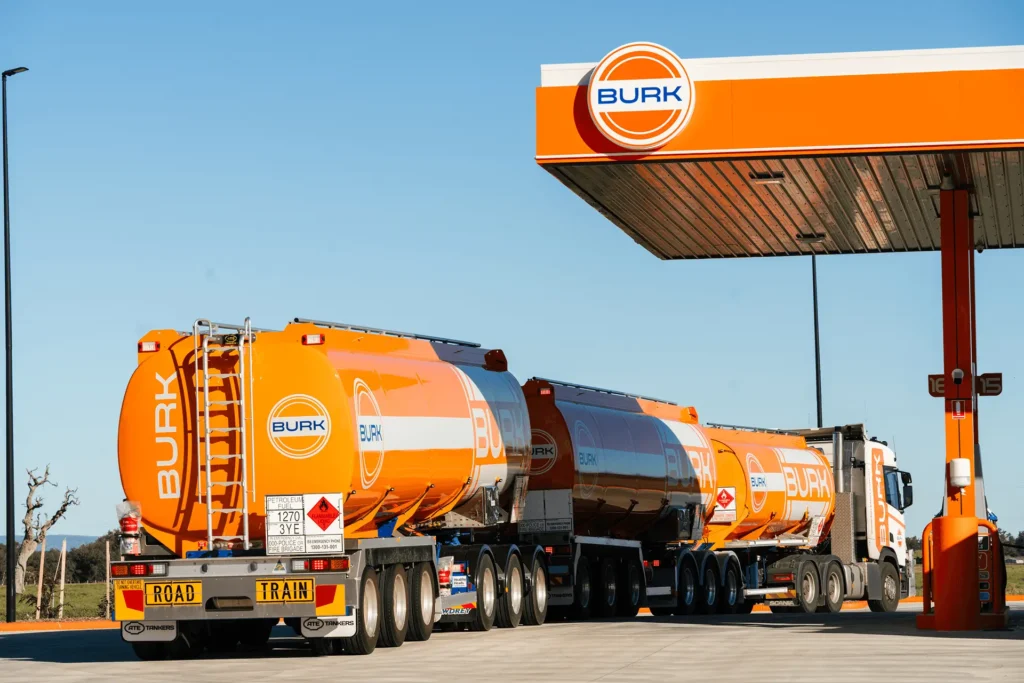
Burk Fuel delivers guaranteed, scheduled bulk diesel to ensure your machinery never stops during peak operations.
Frequently asked questions
Yes. For short-term infrastructure projects or seasonal agricultural peaks, many commercial fuel suppliers offer self-bunded tanks for temporary hire. This allows you to rapidly scale your on-site storage capacity without needing to purchase a permanent tank.
During severe shortages, suppliers implement priority allocation. Customers with formal scheduled supply agreements and telemetry monitoring are prioritized for fuel drops, while ad-hoc or reactive buyers are often placed on extended waitlists.
During peak harvest, transport logistics are stretched thin across regional Australia. If you do not have an automated telemetry system, you should place your bulk fuel order at least 7 to 10 days in advance of hitting your critical low-level threshold.